Voice of Session House 2020 — Facing the Calamity of the Novel Coronavirus

Here is a photograph. It appeared in a newspaper at the end of March, when the novel coronavirus began spreading to different parts of the world. It is an unremarkable picture of a square in Paris, with the Eiffel Tower visible in the distance and just one man jogging. Yet when I saw it, I was seized by the thought that this was the very world the coronavirus had created, and overcome by a bleak, chilling feeling. It was not a photograph of medical workers caring day and night for seriously ill patients in hospitals, nor of the many coffins brought into a square and buried in the earth. Nevertheless, the photograph of just one human being in a square left me feeling that I had been made to realize how, under the call for “social distance,” we each stand immobilized in a world that has separated us from one another.

Several years ago, after the nuclear accident in Fukushima, we hosted at Session House’s gallery a touring exhibition of photographs taken by Korean photographer Jeong Joo-ha (鄭周河) on visits to the affected areas. Most of the photographs were not desolate scenes of a power station collapsed by explosions or towns destroyed by the tsunami, but beautiful landscapes of hills and fields, with flowers blooming and birds flying, such as one could see anywhere. Yet those beautiful landscapes were contaminated by radiation, and refused to be viewed as mere landscape photographs. The exhibition took its title, “Does Spring Come to the Stolen Fields?”, from words in a poem written by the Korean poet Yi Sang-hwa (李相和) under Japanese colonial rule. The works asked precisely this question: even with flowers blooming, fruit growing, and little birds flying, “Can we say that spring has come here?”

The coronavirus, like radiation, is invisible. For that very reason, it never ceases to threaten us as something drifting through the unassuming scenes of everyday life. There is a theory that viruses, having lost their habitats through humanity’s destruction of nature—as seen in the accelerating global warming of recent years—have wandered out in search of people as places to parasitize. Regardless of whether that argument is right or wrong, I think it is undeniable that this novel coronavirus is asking, “Is this really all right?” of the way our society has been and the way human beings live. It is a hard question pressing down upon us, human beings steeped in desire.

Amid all this, scientists, philosophers, and writers around the world have begun expressing a variety of thoughts. In his essay “Facing Calamity,” Chinese writer Yan Lianke (閻連科) says that a writer cannot become a mask or protective clothing for medical workers. Feeling “the powerlessness and helplessness of literature,” he asks himself the anguished question, “What can literature do?” Perhaps behind his thoughts lies a wish: in a society where an atmosphere of pressure to conform hangs everywhere, what each of us should do is not to shrink back in fear, wrapped in a padded coat within our hearts, but to keep giving voice to our own thoroughly considered words—“different sounds”—and to face the world calmly through our own forms of expression. It seems to me that he is saying that, even as writers are caught in feelings of powerlessness, in a situation where people harbor a bleak chill in their hearts despite the intense summer heat, the future of literature depends on whether we can find the courage to take off one of those padded coats worn within. If we replace Yan Lianke’s “literature” with “dance” or “art,” I think we too find ourselves facing the same question. Surviving in a world afflicted by the coronavirus, what messages have we tried to send, and what messages will we send? Let us have people report on what they have thought about and attempted in the fields of dance and art over this past year.

(Written by Takashi Ito, Session House Planning Office)
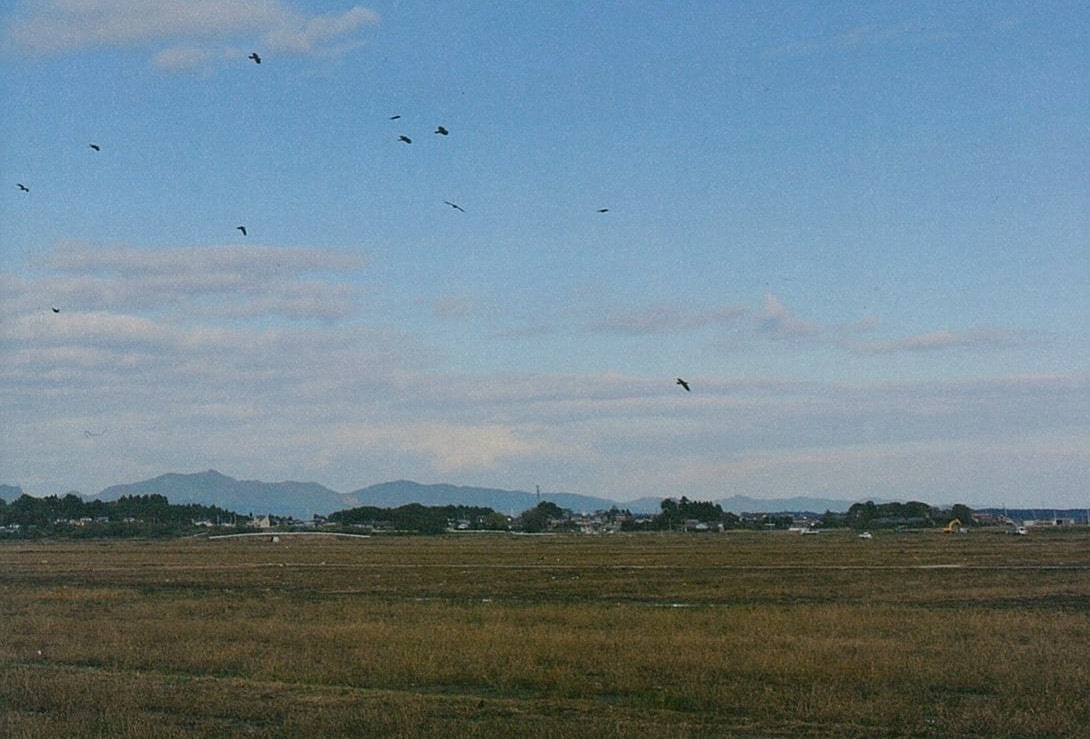
Jeong Joo-ha (鄭周河), ‘Does the Sun Come to the Stolen Fields?’

Jeong Joo-ha (鄭周河), “Does the Sun Come to the Stolen Fields?”

Voice of Session House 2020 — Article List

Ryohei Kondo: “What Has Changed This Past Year?” March 2021 is drawing to a close, but, to be honest, the pace of my life still has not changed at all from last year. My world consists of dance, classes, and workshops, and almost all of it is built on “contact with people.” Put that way, it might sound like spending time with dogs or other animals, but the “contact” I mean here is the very act of thinking and doing things...

Naoko Ito: “Living Through the Pandemic” April and May 2020: we felt crushed by an experience in which everyone in the world became directly involved. Many dancers must have been hurt when our lives, our very way of living, were dismissed as nonessential and nonurgent. Even that hurt was marked by inequality, and the world became deeply divided. While I was thinking about my own situation—how those of us who dance could survive—my entire view of the world abruptly changed as I realized that this was a situation we had no choice but to recognize as a crisis for the Earth and for humanity...

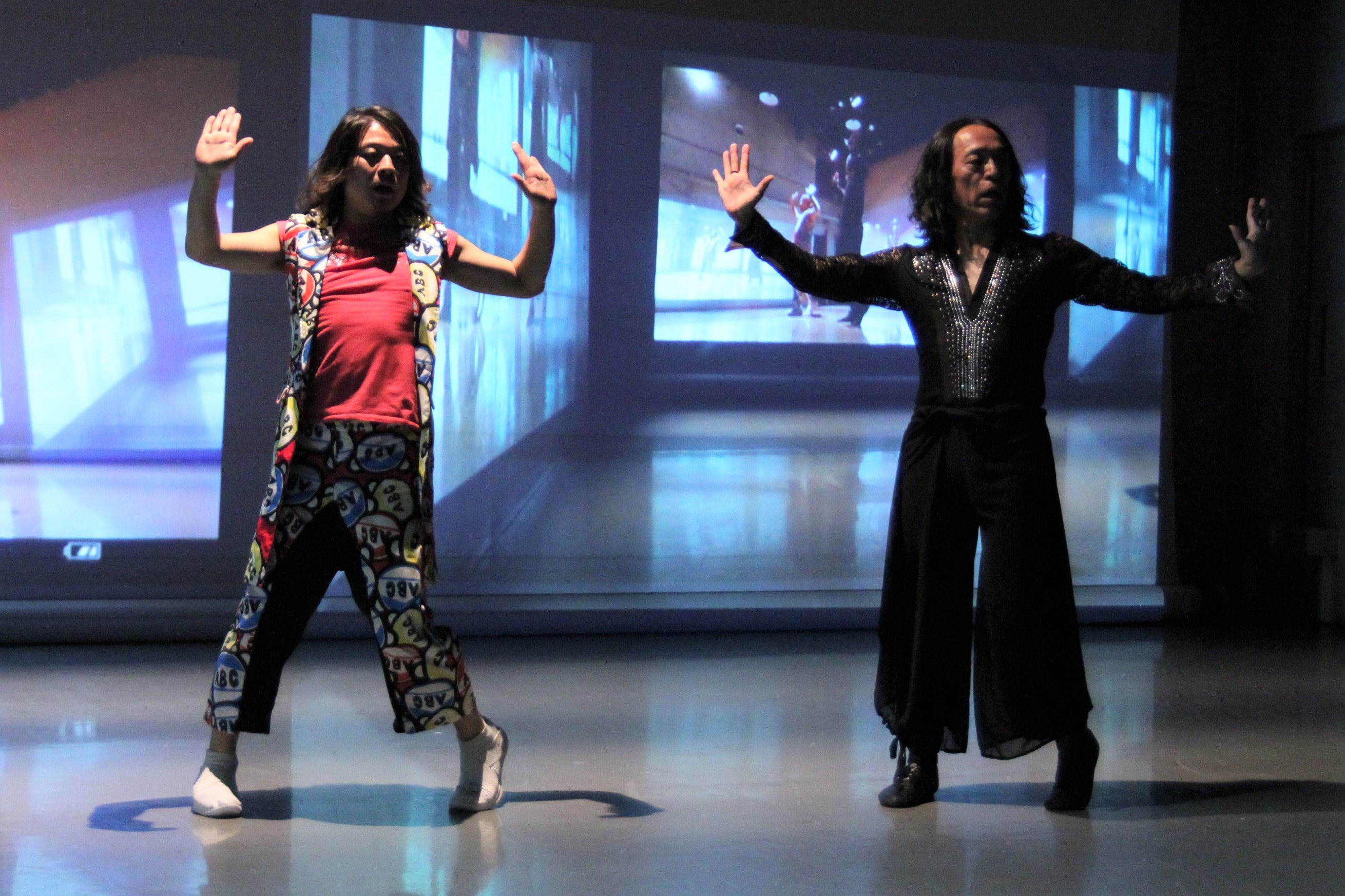
Mitsutake Kasai: “Facing a Year of Great Change” 2020 was a year of great change. The novel coronavirus completely transformed our lives. Many dance performances were canceled, and a new form of presentation, online streaming, also emerged. Many people involved with theaters were profoundly affected. Here I would like to write about my activities over the past year, how I felt about this year of change, and how I approached dance. In mid-February last year, at Yokohama Red Brick Warehouse...

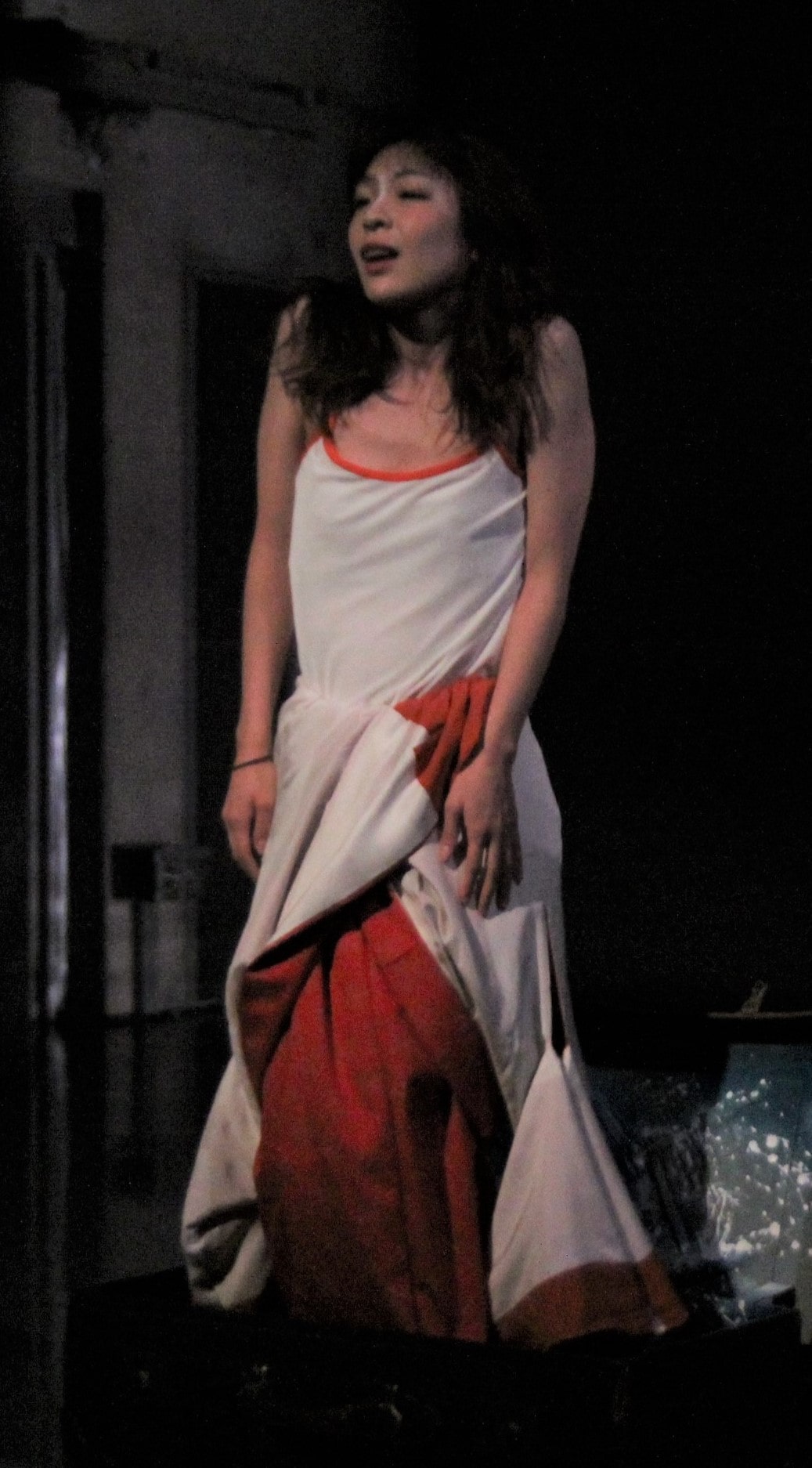
Yo Nakamura: “2020, Dance, and Me” I am sure I will never forget what happened outside and inside my body this past year. I would like to use this space to record it as it unfolded over time. ○ April: I had planned a self-produced performance of “Giselle” to mark the tenth anniversary of my work, but it was canceled. I considered streaming video from the theater, but the declaration of a state of emergency closed the theater itself, leaving me without a place. I called a friend, wanting her to listen to my frustration, and learned that her grandmother’s house would be demolished in May. “Danced in an old traditional house...

Tamami Takenoshita: “The Dancing Light Never Sleeps” Last year, as various events and performances were canceled or postponed, Mademoiselle Cinema was fortunately able to hold its planned performances, albeit online. That said, we first had to resume rehearsals after the state of emergency was lifted in May and prepare for July’s “Stopover” performance with a little over a month of practice. During the period of staying home, however much we trained at home and took online lessons, what we could do...

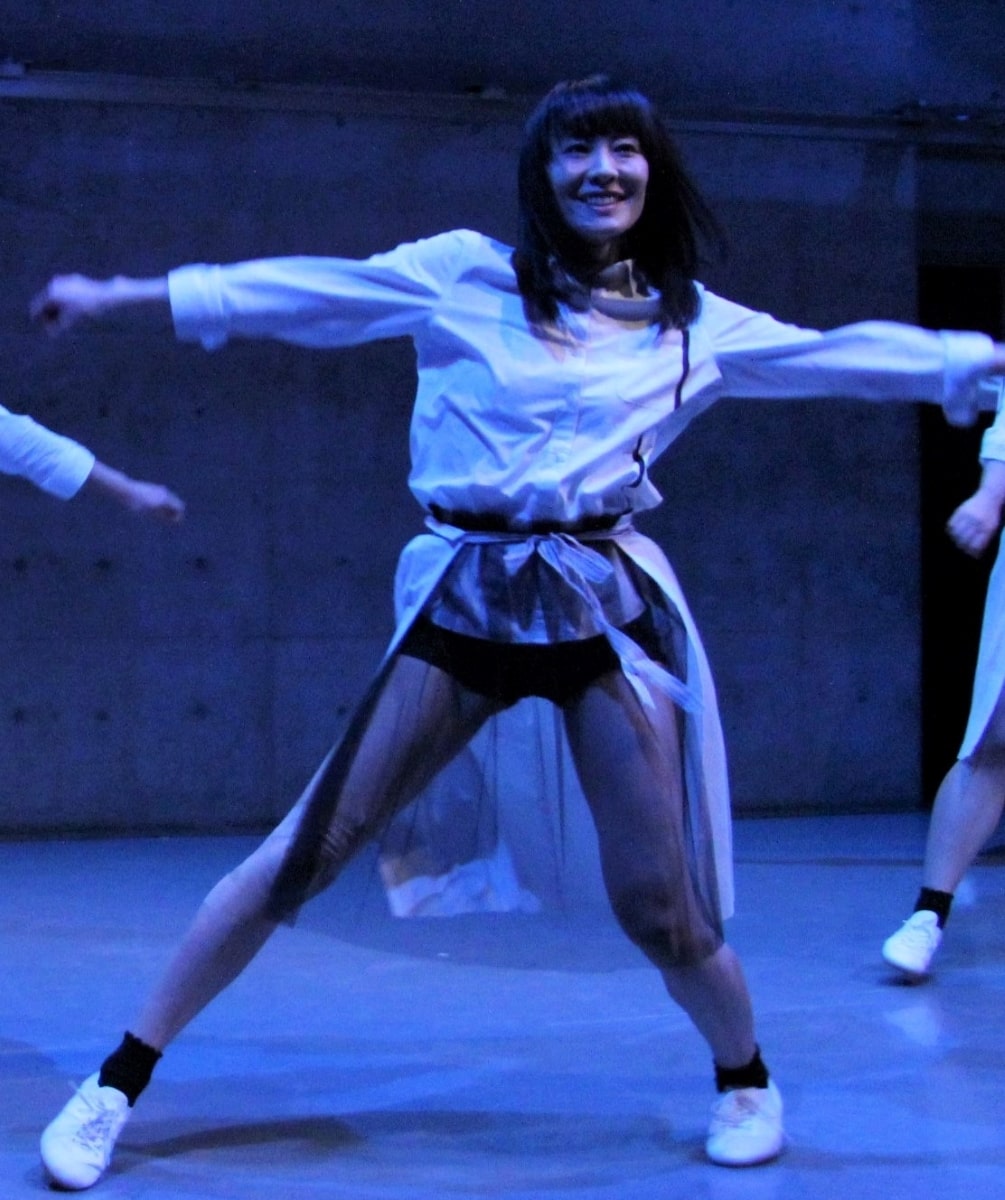
Shiori Nakajima: “In 2020, My Relationship with Kagurazaka Session House Became Closer Than Ever.” 〇 March 22, 2020 — Mademoiselle Cinema performance, “Her Chair (or, the Dance of the Heart’s Emotions Created by Your Unconscious).” After this performance, Kagurazaka Session House closed. Then, in a flurry, a declaration called a “state of emergency”—something I had never heard of before—was issued. Kagurazaka Session House closed not just as a theater but as a rehearsal space, completely...

Satoshi Ishibuchi: “The Awareness of the Body Brought About by Online Dance Communication” Since March last year, I have had quite a few opportunities to talk with dance teachers around me about online classes and workshops, particularly those using zoom. As someone who also teaches physical expression in the Department of Education, Faculty of Literature, at Daito Bunka University, I, like many others, began teaching practical classes online through Zoom, and already a year has passed. I am also a university club adviser...

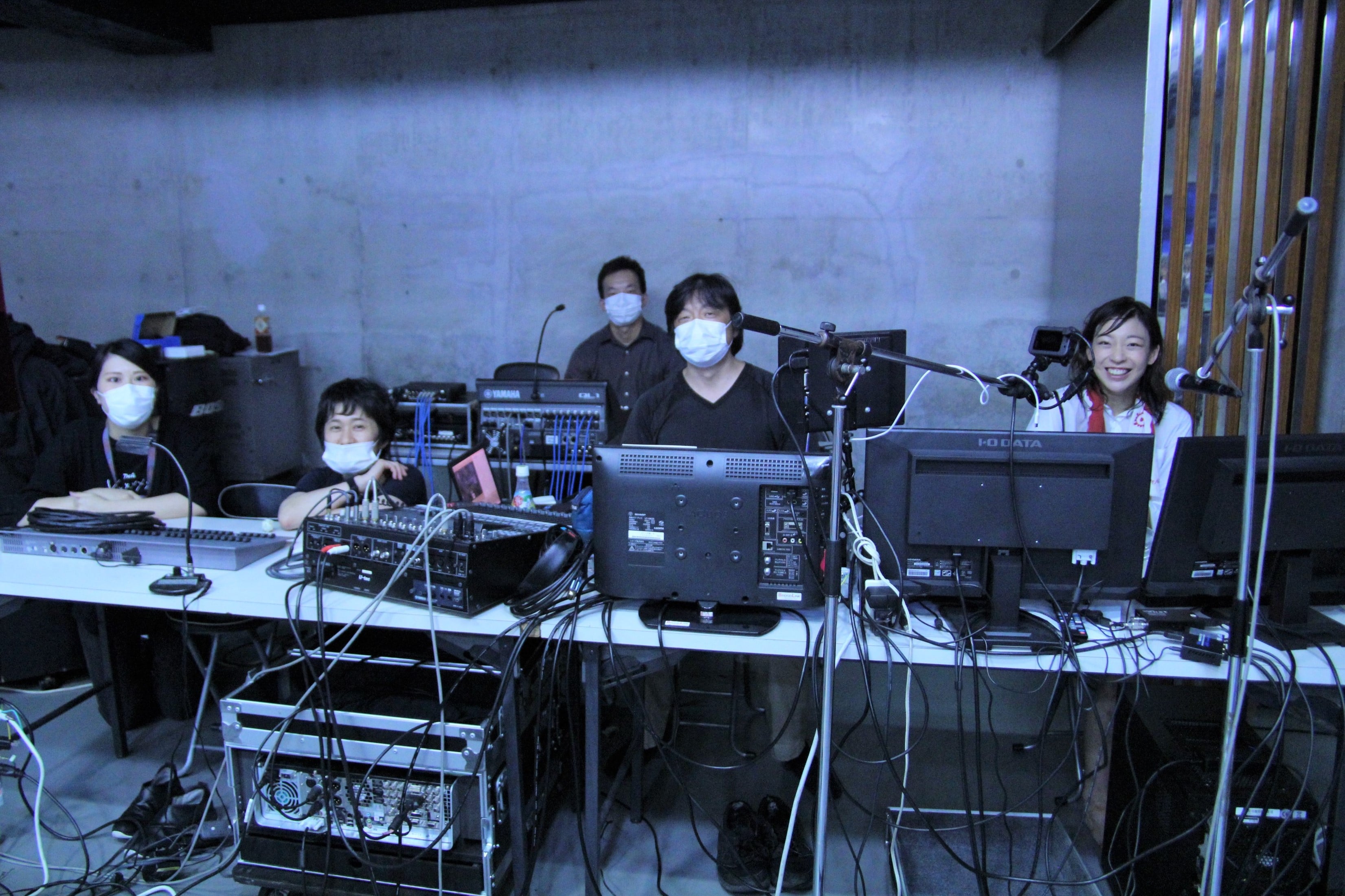
Michitaka Ueda: “‘Infinity Within Limits’: Online Performances as a New Way of Reaching Out” Until now, I had taken it for granted that I would operate sound and lighting by following the intensity of dancers responding in real time to the audience’s atmosphere and reactions. But in the recent online performances without an audience—performances given for an audience (viewers) on the other side of cameras and microphones—we cannot see that atmosphere and those reactions, which offer a kind of solace, in real time. That this situation would become so ord...

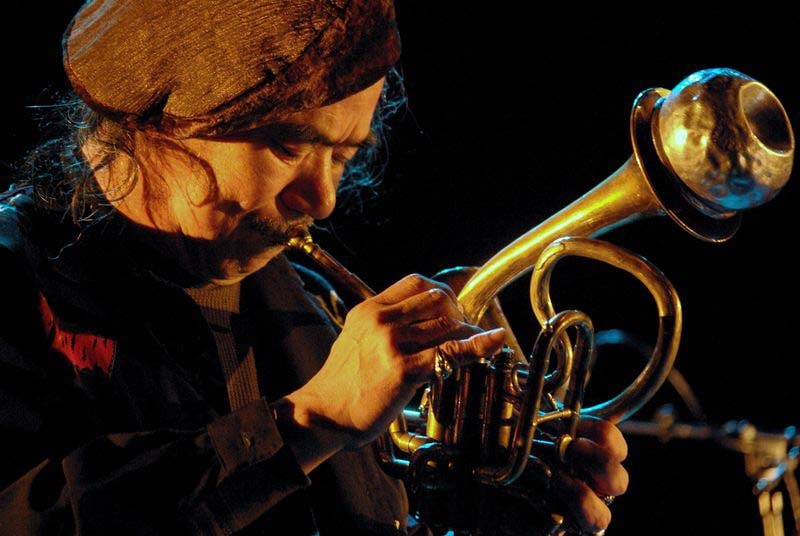
Under the Paris Sky, Itaru Oki Departs for Heaven. Itaru Oki (沖至), a musician who actively worked across genres, passed away last August in Paris, where he was based. He was 78. Active as one of the pioneers of free jazz since the 1970s, he was also called the poet of the trumpet for his tone, like a butterfly dancing, and performed with many butoh artists and dancers. Since Session House’s founding, he had also performed here with Naoko Ito, Akira Kasai (笠井叡), Taiju Matsumoto, Mitsutake Kasai, Uemura...

Kenzo Kusuda: “Kenzo Kusuda’s Letters from the Netherlands” Last November, we received an email describing the Netherlands during the coronavirus crisis from Kenzo Kusuda, who has long been based in Amsterdam and continued working in countries throughout Europe. “The coronavirus situation feels quite difficult both in the Netherlands, where I live, and throughout Europe. The Netherlands is a small country about the size of Kyushu. Today is November 1, and according to today’s news announcement here, the cumulative total of infections is 359,...

A Record of the 2020 Dance Program (Hosted and Cooperative Projects). January 11 and 12 — Theater 21 Fes vol. 116 (one performance each). February 1 — Theater 21 Fes Step Up vol. 75 (two performances). 9 — 2nd Daito Festival, “The Sun and the Mantis 2” (one performance): 23 performers in seven works choreographed by Satoshi Ishibuchi, Miwa Okuno (奥野美和), Takahiro Mochizuki (望月崇博), Masashi Doi (土井まさし), and others. 14 and 15 — Ringo Project / Ryohei Kondo, “Kagurazaka Tosaka Project ~ THE ...

Garden Activity Report. In 2020, Session House’s 2F Garden again served as a venue for independently produced and joint/cooperative projects, as well as rental exhibitions, talks, croquis sessions, and other activities. However, many planned projects were canceled or postponed during the coronavirus crisis under the state of emergency. A Record of Independently Produced and Joint/Cooperative Projects. 2020: February 4–8 — 4th Wawawa Haiku Exhibition (T). February 11–16 — Instruments from the Kondo Household Exhibition. March 11–22 — Toos Meijer (ツーゼ・マイヤー) Exhibition, “...

All annual editions

Read the Japanese original

  Bookmark this page on Hatena 
page top