
Voice of Session House 2020 — Satoshi Ishibuchi
Satoshi Ishibuchi: “The Awareness of the Body Brought About by Online Dance Communication”
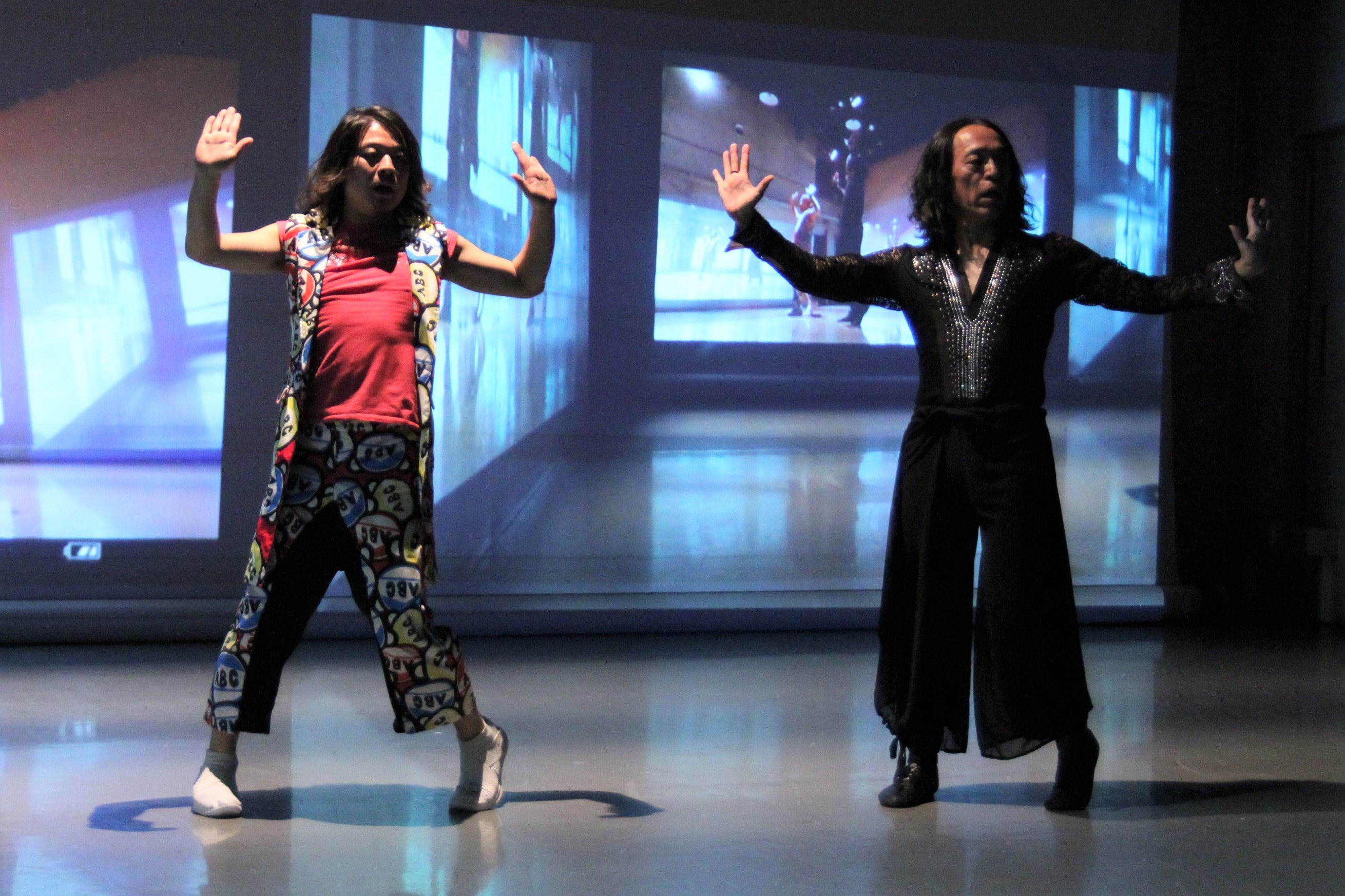
Since March last year, I have had quite a few opportunities to talk with dance teachers around me about online classes and workshops, particularly those using zoom. As someone who also teaches physical expression in the Department of Education, Faculty of Literature, at Daito Bunka University, I, like many others, began teaching practical classes online through Zoom, and already a year has passed. I also advise a university club, so I still witness students carrying out their dance club activities on Zoom.
Beginning this way may make it seem as if I am about to describe “the tragedy of being unable to dance as usual” during the coronavirus crisis (of course, it should in no way be denied that this pandemic has had a negative impact not only on everyone involved in the stage, but on all human activities). Here, however, I would deliberately like to describe briefly “what kind of situation online dance is creating for communication involving the body.”
One thing I can say as I continue teaching practical classes online is that everyone becomes more conscious of their body than usual. In other words, the mechanism is the same as, for example, becoming aware of health only when one falls ill. What we should note, though, is that, while we have not lost a single body as the subject that faces others, talks with them, and comes into contact with them, this time we are in a situation in which we have lost the body as the tool for doing so. The tool and the subject are like two sides of a coin, so their actual substance is the same, and yet… Because everyone lost that tool at once, the “background role the body plays in communication” has suddenly become a figure and emerged into view. Right now, indeed, is the moment when the value of the body is coming to the fore.
In other words, online dance communication makes us rely more heavily on mentally filling in our impressions of the body. Perhaps this brings bodily aspects we overlook face to face into sharper focus. Could this be its greatest difference from face-to-face communication? Even physically sharing a space with another person, which used to be as unremarkable as air, has become an “irreplaceable, longed-for situation.” The value of the real has soared too high. This is temporary, and will probably disappear eventually once the various problems have subsided. (I would like it not to disappear, because if this spirit of yearning and searching for the body continued, dance culture would become more popular than before, but things probably will not work out that way.) In that sense, even at the level of everyday life, “living with coronavirus” is a passing phase, and perhaps it would be best to regard “We can never go back” as a media-style phrase that needlessly stokes social anxiety. The day when audiences take off their masks to watch the stage will inevitably return.
Surely we cannot remain forever with facial expressions taken away from our culture.
Satoshi Ishibuchi (Condors), Associate Professor, Daito Bunka University
Excerpt from Voice of Session House 2020
