
As a Staff Member Working at Session House
Ayaka Hara (原綾香; lighting and online streaming)
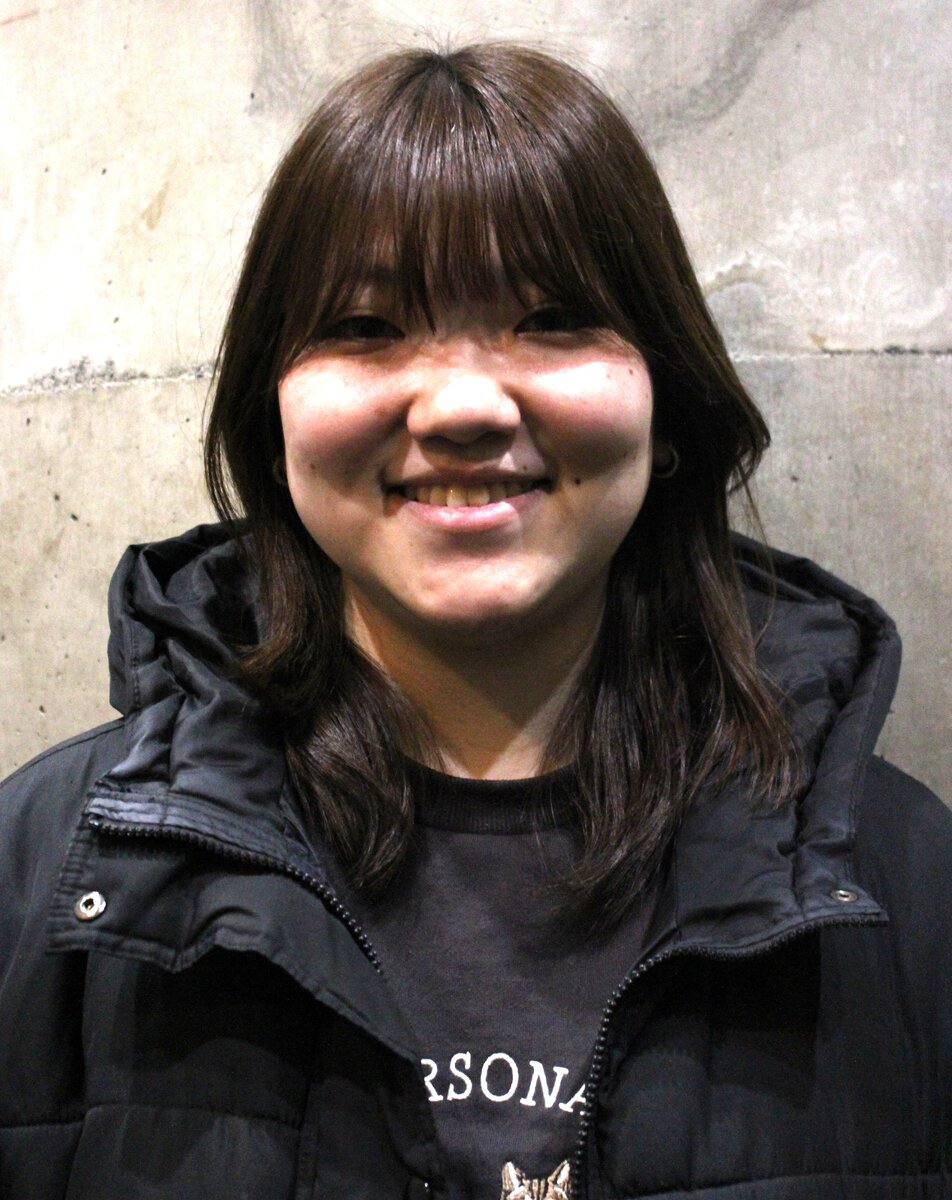
Hello, I’m Hara. At Session House people call me “Hara-chan,” and before I knew it I had reached my fifth year on staff. I usually handle stage lighting, online streaming, reception and other duties.
My connection with Session House began when I performed in UDC in 2020. But actually, even before then I was familiar with working behind the scenes.
At university, we were in an environment where we built our own performances. Particularly for presentations at the university festival, students took turns handling lighting and sound when it was not their own turn onstage.
I think that even then I naturally sensed that a stage is not made only by those who appear in front of the audience, and felt the fascination of being involved behind the scenes. In UDC, while standing onstage as a performer, I was also deeply attracted to the movements of the staff supporting the work and the distinctive atmosphere backstage. “The stage is not made only by the people dancing”: I felt that obvious truth anew.
Now I take on a role for each performance, such as the lighting team on setup day, reception on the first performance day, and the online-streaming team on the second. My role changes from day to day, but I rarely move between many different duties within a day; each of us faces the work from our own station. Honestly, it is a very busy workplace, but in return, being able to see the whole performance from different angles feels unique to this environment.
Recently, the lighting work I handle has gradually increased, and every occasion is a continuous learning experience. To be honest, there is much I am still feeling my way through, but that also means I gain a great deal on-site, and I enjoy working on it.
There is no single correct answer that stays the same at every performance. When the work or performers change, what is needed changes, and there are many decisions to make on the spot. That is why I feel it is essential to keep thinking things through myself, and to make adjustments through conversations with those around me. I believe that both what goes well and what leaves room for reflection will all feed into the next production.
What I find particularly interesting about working at Session House is that staff can stand on-site as “people who create together.” When performers suggest, “I’d like to try something like this,” we can respond with proposals—“Then we could make use of this,” or “Perhaps this approach would work”—and those ideas actually take shape. Being part of that process feels special. That is why I place great importance on communicating with performers. By sharing what they are thinking and what they value, I consciously try to work with them looking in the same direction. Talking with people and drawing out their ideas are strengths of mine too (laughs), so I want to keep valuing that.
I think Session House accepts not only completed things but also ideas still in progress and experimental challenges just as they are. My position changes with each performance—lighting, streaming, reception—but wherever I am stationed, I can witness the moment when a work comes into being. That closeness is one reason I want to keep working here.
