
Toward Our 35th Anniversary—Emerging from the Pandemic and Passing On “the Existence of a Theater”
Naoko Ito, who has planned and supervised the dance programs and led the theater’s resident company, Mademoiselle Cinema, since Session House was founded in 1991, shares the feelings she has poured into 35 years of dance programming.
Naoko Ito
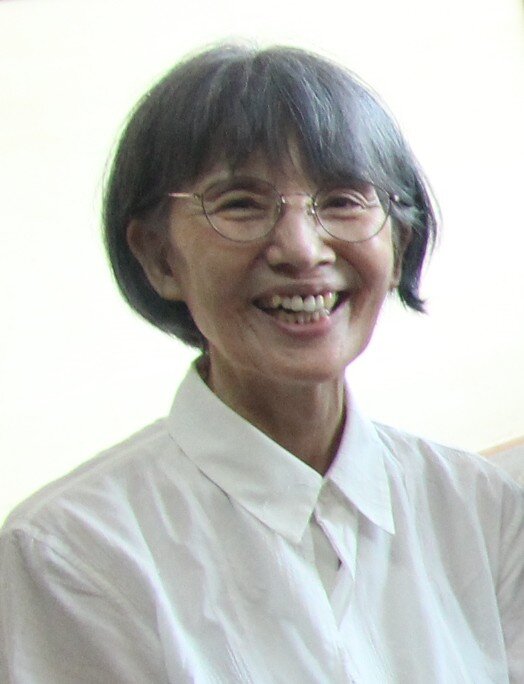
In 2020, we had finally reached our 30th year. Every weekend was filled with projects and bookings through the following year; people who needed dance gathered for the weekday dance classes, and the children in the ballet classes held sweet dreams as they worked toward their goals. “We’ve finally come this far,” I thought at the beginning of the year, that January of our 30th year. That everyday life was uprooted entirely. The difficult loan repayments that had continued since our founding had finally ended, and the staff, Mademoiselle Cinema dancers, Ryohei Kondo and the Planning Office directors gathered for a modest celebration. We thought about how Session House would be passed on, drank, laughed and celebrated.
In February, people everywhere began speaking of their fear of COVID-19. After Mademoiselle Cinema’s performance in March, Session House and the town shut their doors tight. We were deemed nonessential and nonurgent—something nobody needed—and everything stopped. In the basement where no one came, I spent days stunned and afraid.
In May, young staff and dancers rose to the occasion. I heard the words “online streaming” for the first time. The joy of discovering that there was a way to deliver dance even when we could not gather! Mariko Kakizaki volunteered, stood tall onstage, and the very first light came on! We all quietly shed tears.
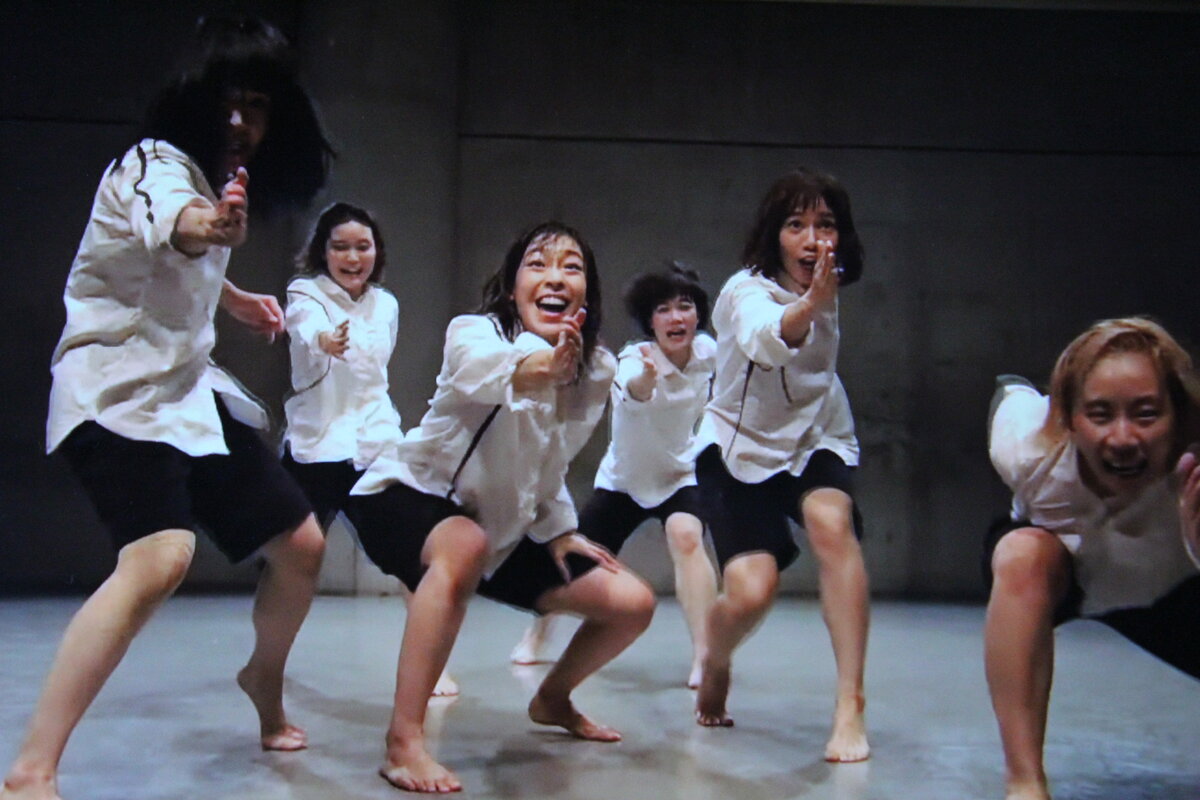
Mademoiselle Cinema dancing online
Even when I think now, “What was the greatest joy in these 35 years?”, I can only recall things that happened after the enormous ordeal of our 30th year. How could we respond in practice to the many values that changed so dramatically then? As people all over the world faced that question, we too struggled desperately through the chaos, right up to today.
And at last, last year the path to performing overseas reopened, and we went to America. Obtaining P3 visas “to perform” was an enormous struggle. It also felt like fate that the work was “Woman Is a Journey,” telling the story of my grandmother’s immigration as a picture bride. Sharing the experience of my grandmother, who crossed to America on a visa to “join her husband,” in today’s America with its many difficulties and divisions, and receiving such deep empathy, felt like a reward from heaven for our struggle to face reality from our 30th year until today.
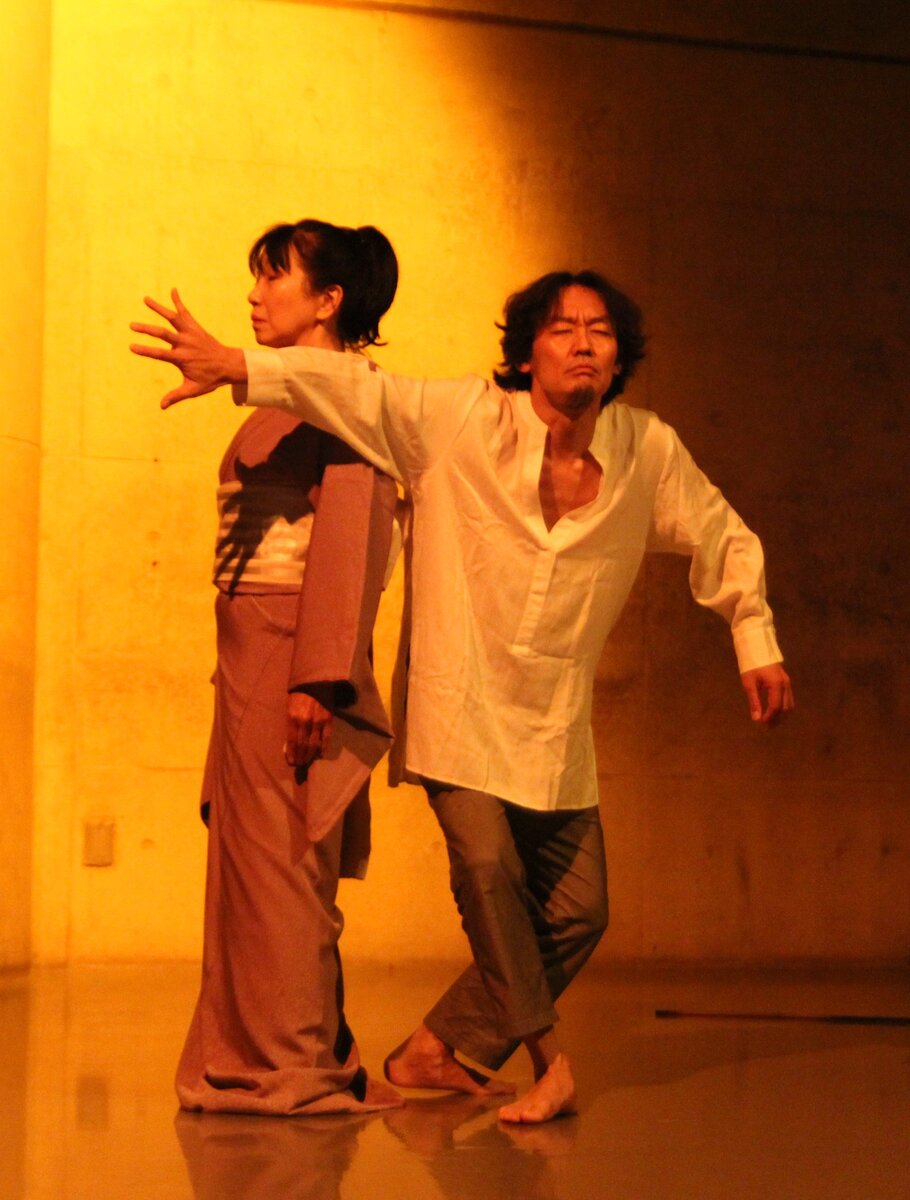
Ryohei Kondo and Sengiku Bando dancing online
Looking back, our beginning 35 years ago was a headlong plunge; I never even thought about how long we would continue. The miracle is that we have kept going until today. And now there are people around us who sense the value and potential of “the existence of a theater,” something we began knowing nothing about, and work alongside us! I am grateful for that fact. How to pass on the values we share—that is the work ahead!
“Nonessential and nonurgent” turned out to be a collective term for profoundly human activities. Unlike creatures that survive in nature confronting life itself, humans have learned ways to enjoy and delight in useless things. I feel deeply now that dance belongs to those humans. To protect it to the end means staking our lives on something useless.
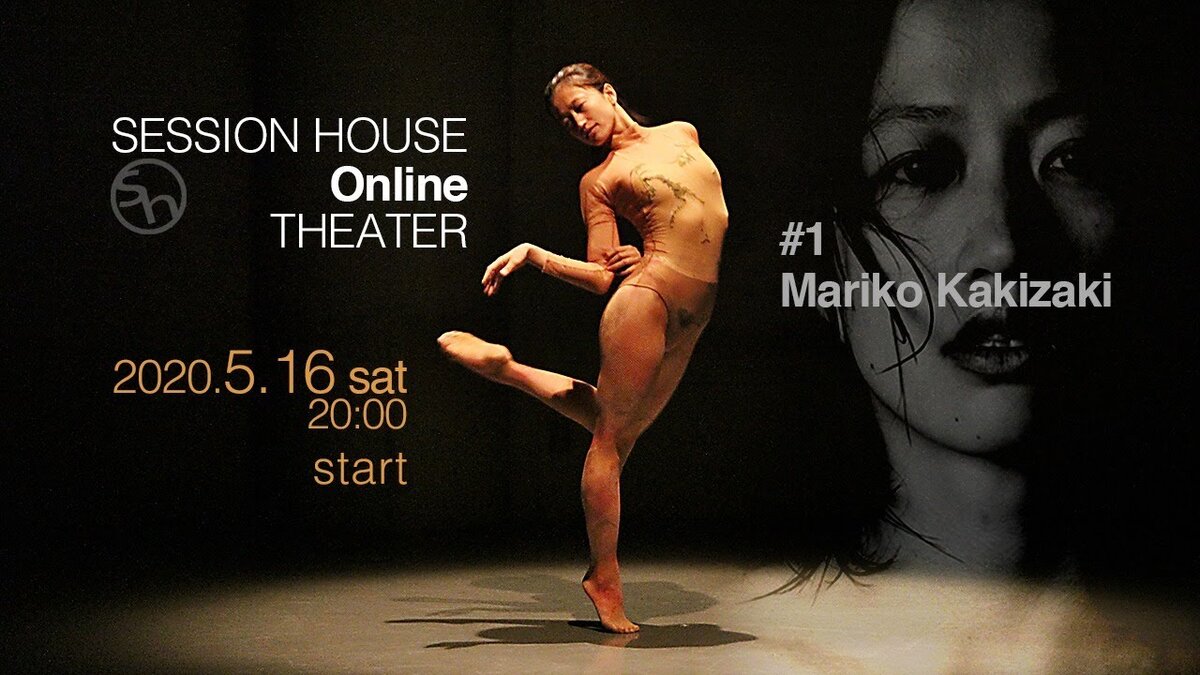
Session House Online Theater #1: Mariko Kakizaki
We live amid diversity today, and the contemporary dance we encounter teaches us that each person has their own values. Dance with nothing but “a single body and imagination.” Meeting these expressions and the people who create them, we have together cherished a small theater’s big dreams.
Right in the midst of my “heta-yoro” (ヘタヨロ) phase—feeble and tottering—I am still walking along the road today, through twist after twist. Here, gently, I set down my resolve at 80.
