
Voice of Takahiro Mochizuki
This is a report from coordinator Takahiro Mochizuki, who studies and analyzes how choreographers and audiences perceive works, including by holding “email reflection sessions” after performances in Dance Bridge, Dance Flower, Theater 21 Fes, and other programs.
Report on Zoom Reflection Sessions — Takahiro Mochizuki
As a new initiative at last year's Dance Flower and other programs, we added not only “performances” but also “post-performance talks” (reflection sessions using Zoom with audiences and performers on the Wednesday evening after each performance; hereafter, Zoom reflection sessions). The Zoom reflection sessions began from the idea that sharing with someone what one had received from a work might lead to a more expansive appreciation of it, with an emphasis on “audience-led participation.” Led by a coordinator, these sessions made it possible to delve into works in many ways: insights into a choreographer's creative process and focus, explanations of works, each dancer's perceptions of other choreographers' works, and the resolution of audience members' questions. Bringing benefits to both dancers and audiences was one of last year's achievements. This year, we put those achievements and possibilities to use in supporting young dancers' activities. Since COVID, the act of going to a theater to see a performance has declined, making it difficult for young dancers to sustain their activities (and livelihoods), and contributing to some giving up artistic work. Many grants for young artists (financial assistance) have been provided as a practical response. On the other hand, the performing arts take place through communication between audiences and performers. There is also validity to the view that the presence of an audience is a factor that raises the precision of a performed work (encourages a dancer's growth), and that audiences are indispensable to continuing one's activities. For these reasons, support that promotes qualitative exchange between audiences and dancers can be said to encourage the continuation of dance activities.
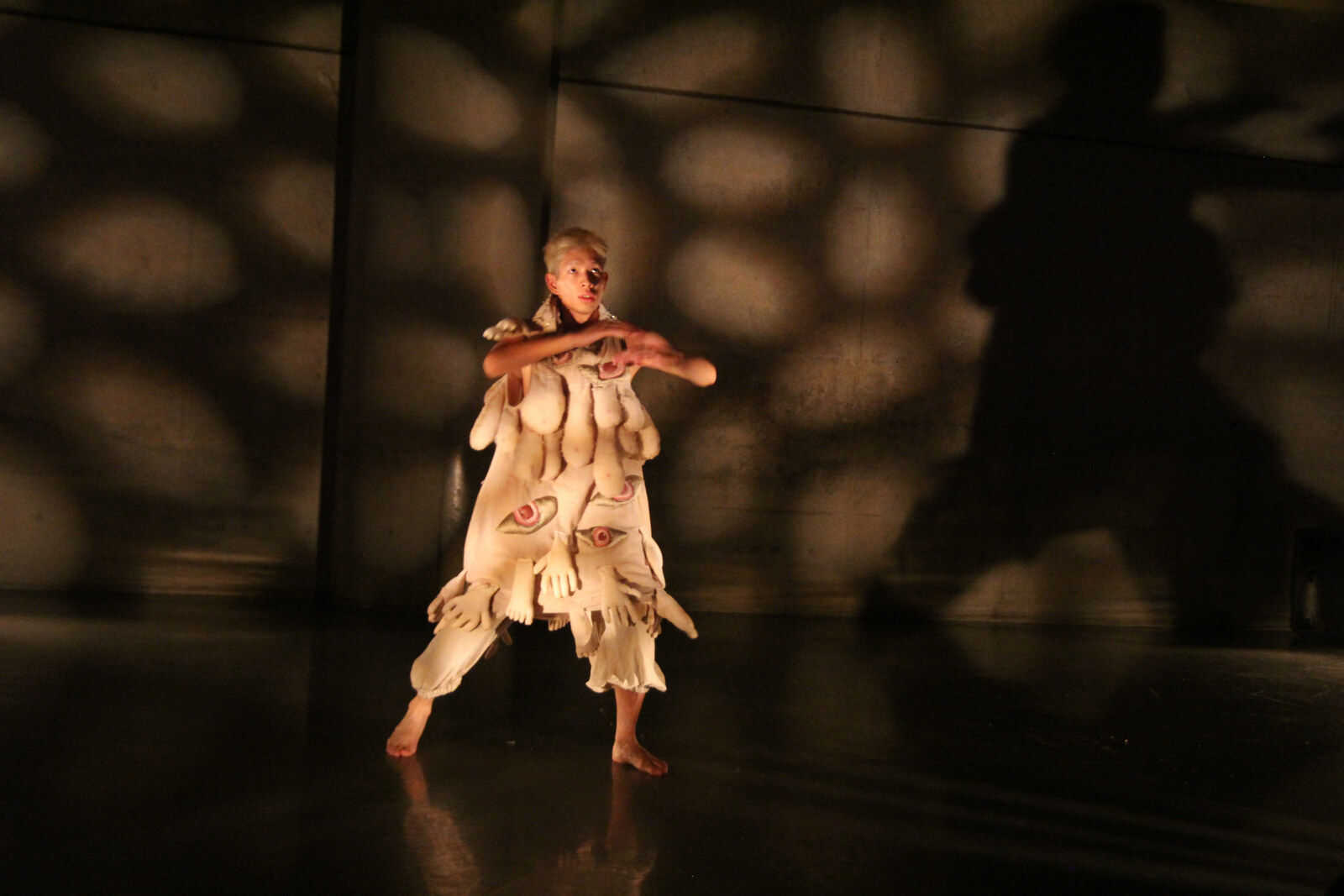
“U25” — Takuto Sakurai (櫻井拓斗)
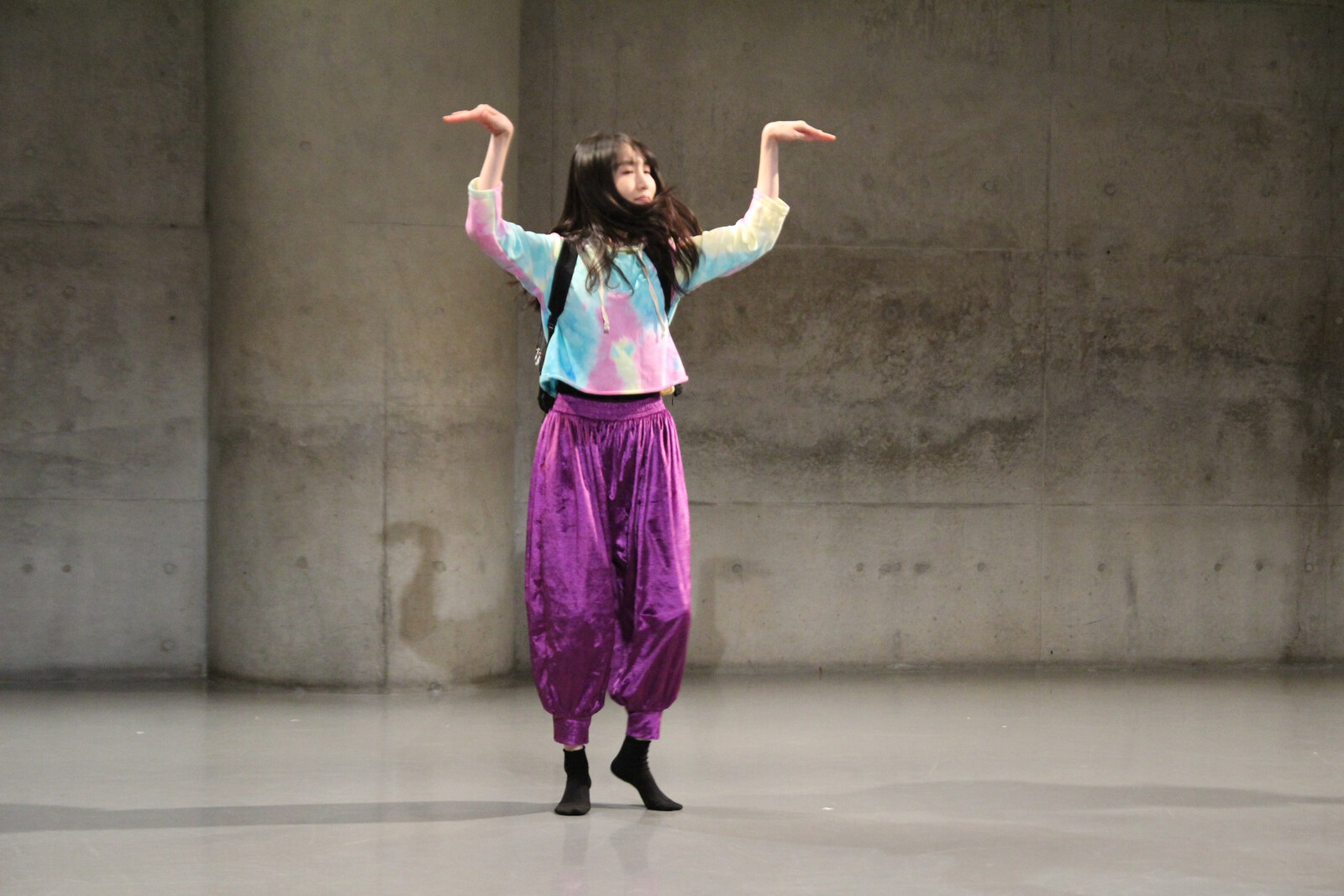
“U35” — Nana Kobayashi (小林菜々)
This year, we recruited U25 and U35 dancers and carried this out as a support project (still ongoing at the time of writing). To outline the Young Dancer Support Project, two practicing dance researchers served as supervisors: Professor Satoshi Ishibuchi (石渕聡), a professor at Daito Bunka University and a member of Condors and Team Kamogawa, and myself, a full-time lecturer at Teikyo University of Science and a member of Top Star and Team Kamogawa. The sequence was:
① Select dancers who applied to U25 and U35;
② Perform the works (U25 on October 14, U35 on November 18);
③ Hold Zoom reflection sessions (U25 on October 18, U35 on November 22);
④ Select five performers for Dance Flower;
⑤ Provide feedback to Dance Flower performers and advice for new works;
⑥ Present Dance Flower (February 17, 2024);
⑦ Hold a Zoom reflection session (February 21, 2024).
In the audience questionnaire after the performances in ②, we asked people to write “reflections on a dancer you would like to write about,” encouraging audience initiative, and used them as material for the Zoom reflection sessions in ③. In those sessions, each dancer described the concept and focus of their work, the two supervisors analyzed the work, and the questionnaire responses were presented to each dancer after being grouped into categories. In analyzing the questionnaires, for example, comments such as “I felt ambition in the work” and “What can be seen precisely because it cannot be seen—I felt that this, too, is a way of being” were categorized as [Impressions (Representations)]. Other specific comments were categorized as [Movement], [Composition], [Direction], and [Advice], and presented to the dancer (from the analysis of Takuto Sakurai's questionnaire). For the feedback in ⑤, we compiled and presented material combining text mining of what each dancer said about their work's concept in the Zoom reflection session in ③ and the supervisors' advice toward a new work, to serve as material for new creation. Text-mining analysis divides the words spoken by the dancer into frequently occurring terms and displays them with word sizes corresponding to frequency, making visually apparent what the dancer emphasized when creating the work. For example, in Sae Onishi's (大西彩瑛) case, “work,” “artifice,” “audience,” “not leave unattended,” “real,” and “imaginary” appeared frequently, making it clear that the core of the work “This Is a Joke Too” had been articulated clearly. The advice for a new work in Onishi's case concerned, for example, sound effects in contemporary dance. It can be said that this ongoing engagement—performing a work, analyzing it, and sharing—may have enabled dancers to revisit their work from an objective perspective. In fact, the dancers gave it a measure of positive assessment, saying that objective opinions provided an opportunity to look calmly at their own situation, and that it was a reference not just for this occasion but for future creation. As I am writing before the Dance Flower performances, how this has taken concrete form remains unknown and, of course, cannot be discussed here. In any event, I look forward to February's Dance Flower performances.
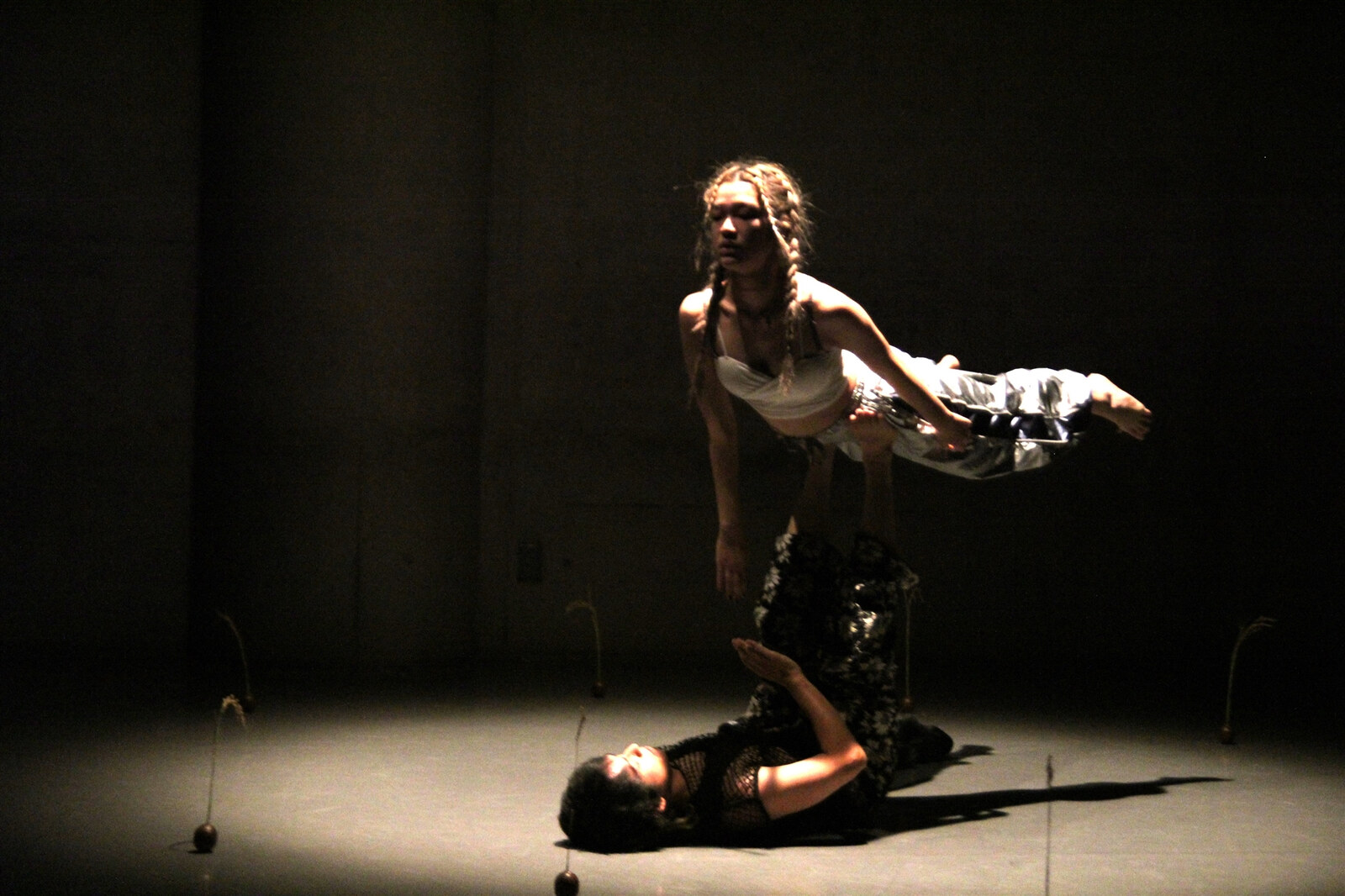
“U35” — Kigawa (木河皮成) & Hatsuna Ikazuchi (雷はつ菜)
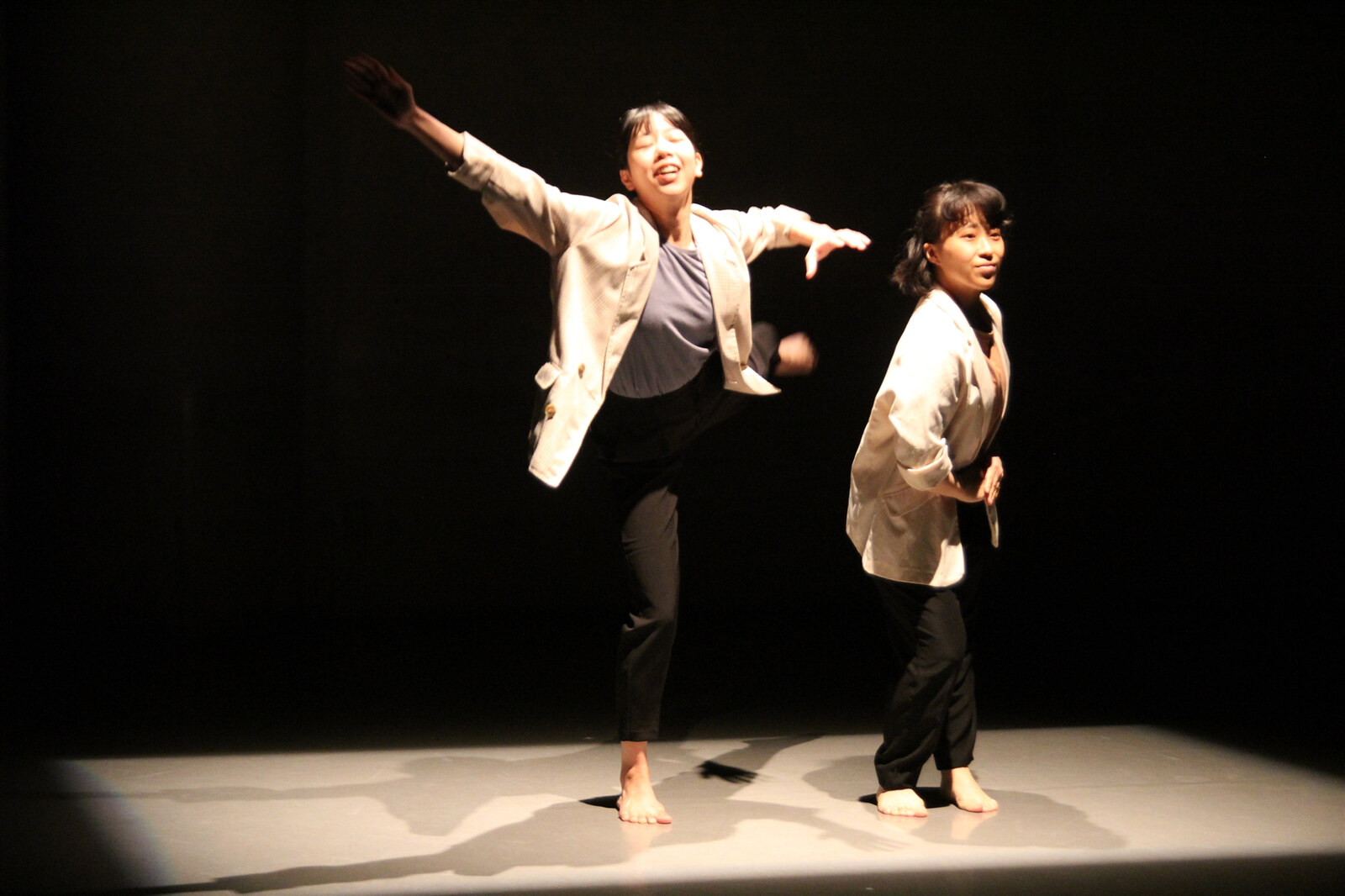
“U35” — Sae Onishi (大西彩瑛) & Remi Murai (村井玲美)
Now, over the past few years, I have had opportunities at Session House and other theaters to see works by young dancers (though youth cannot be defined simply by age…). Through carrying out this Young Dancer Support Project, problems I had felt only vaguely have begun to take clear shape. Let me list a few. ① They have what is called dance technique; ② their work's concept is clear; ③ they also have the compositional ability to convey that concept; yet… something is missing in “communicating.” I feel that their bodies are not open. Dance is art, but once an audience exists, it is also entertainment. In that sense, above all, open up dance that tends to be self-contained! Because it is dance. I feel that any dance that is open is precious. It is also possible to think that emphasizing “communicating” will naturally lead to attracting audiences. In addition to the three points above, if the joy of dancing and the joy of living—the origins of dance—were conveyed through the body, that would be truly wonderful, and I would like to see such dance. Precisely because this is contemporary dance, we should not forget the origins of the dancing body, but look at them anew and update them. We selected the five performers for Dance Flower according to these criteria. Once again, I look forward to February's Dance Flower performances.
Takahiro Mochizuki
Excerpt from Voice of Session House 2023
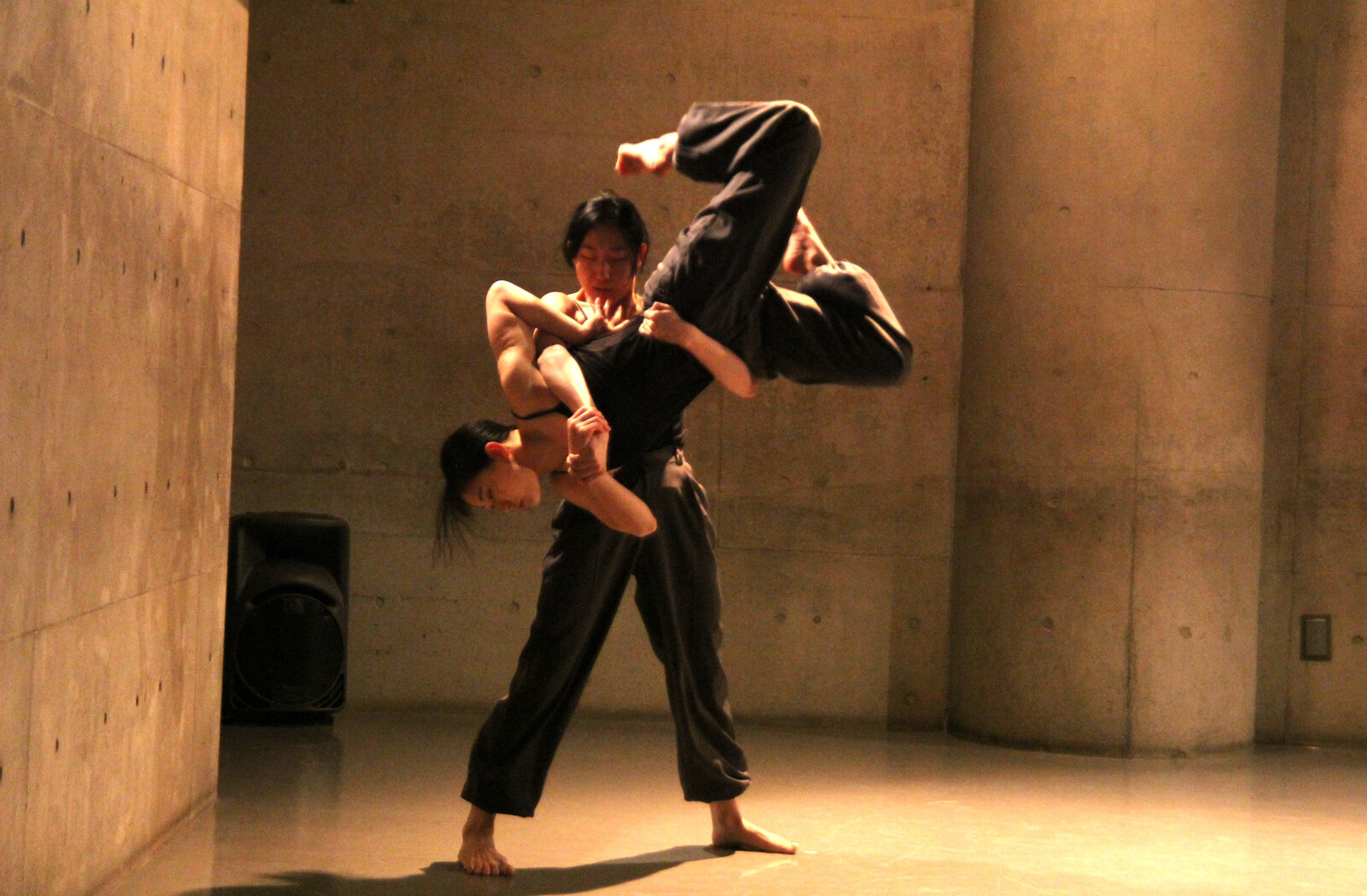
“Dance Flower” — choi hyobin & nam heekyung (Korea)
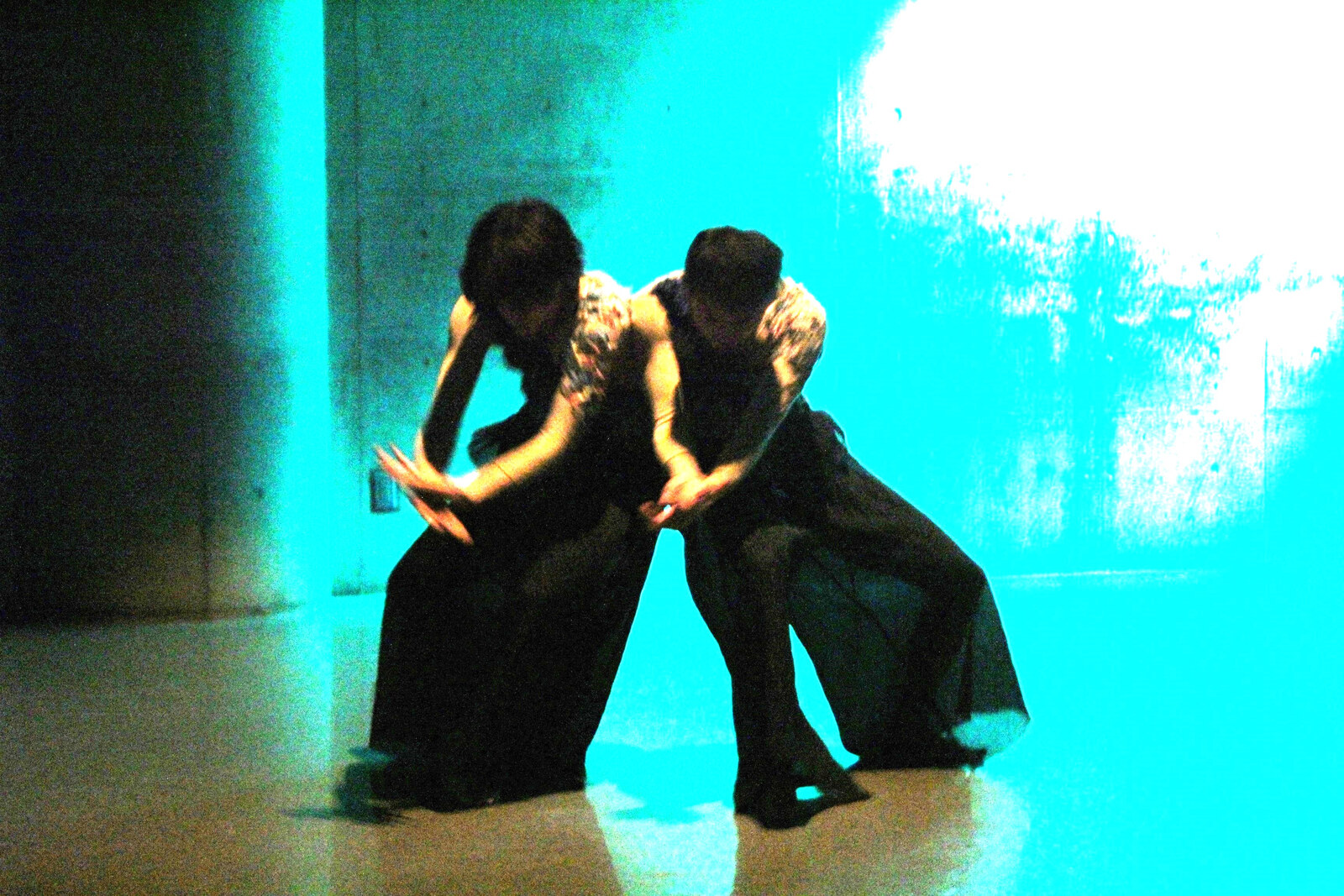
“Dance Flower” — Ryosuke Suzuki (鈴木亮祐) & Kosuke Mogi (茂木孝介)
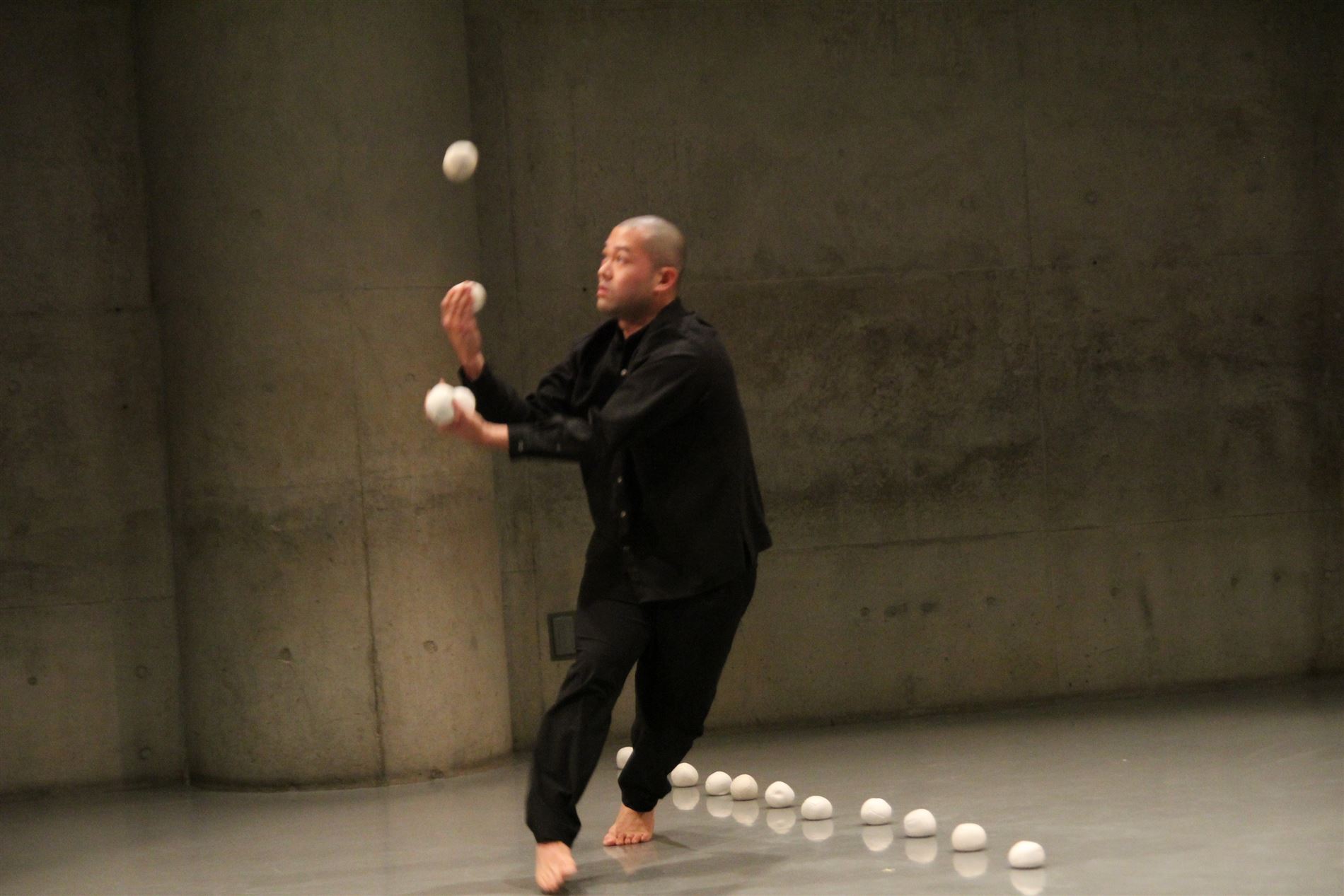
“Dance Flower” — Yuri Yamamura (山村佑理)
[Addendum] Session House Award 2023 Recipients Announced
“Future Award”: G-ray (Ryosuke Suzuki [鈴木亮祐], Kosuke Mogi [茂木孝介]), N.motion Dance
Project (Choi hyo-bin, Nam hee-kyung)
Invitation to the Korean international festival “New Dance Asia”
: APINUN (Yuri Yamamura [山村佑理], Azumi Piano [あずみぴあの])
Judges: Yasuyo Omoto, Mitsutake Kasai, Taiju Matsumoto
